The Narrative of Old Tools and Coins in Machame
PACKAGE DESCRIPTION
Hidden beneath the fig trees and volcanic soil of Machame lies a legacy few have touched—Chaga old coins, once used by Mangis and clan elders to seal marriages, trade cattle, and honor spirits. These weren’t just currency—they were sacred emblems of power, lineage, and protection.
Old Tools: Hands That Shaped the Highlands
- These aren’t just farming implements—they’re symbols of survival.
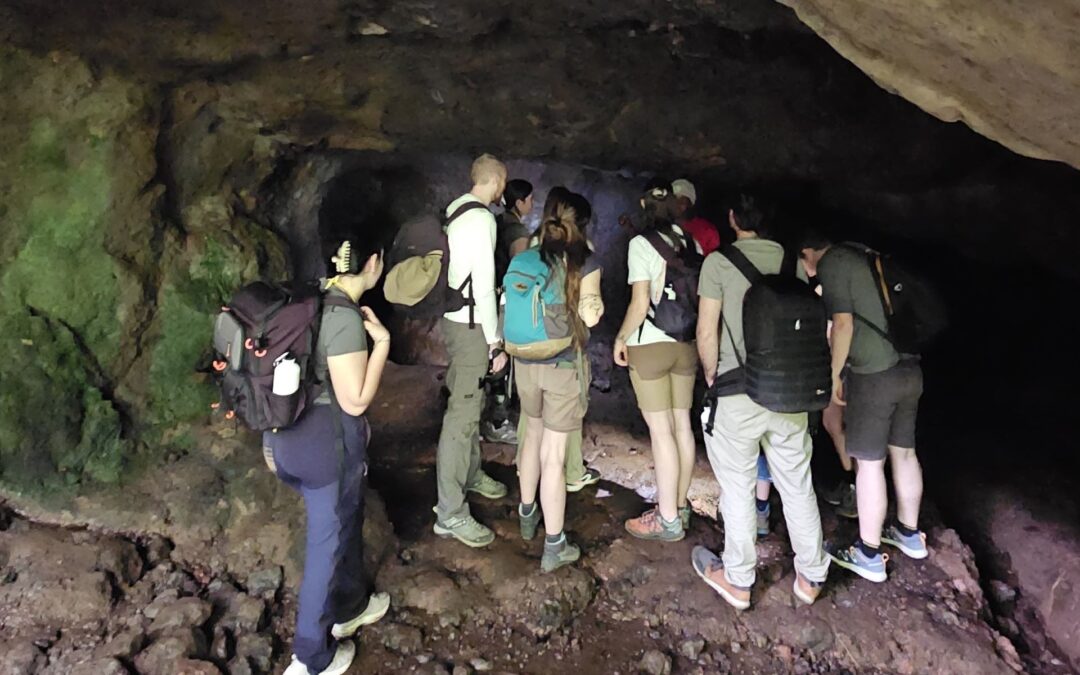
- Iron spears, hoes, and carving knives tell of a people who defended their land, cultivated steep slopes, and built underground hides to outwit raiders.
- Blacksmiths were revered as protectors and providers, their forges echoing with ancestral rhythm.
Coins: Echoes of Colonial Currents
- Machame’s old coins span German East Africa, British rule, and early Tanzanian independence.
- Some were used in barter, others hidden in clay pots during tribal wars.
- Locals say certain coins carry “luck” or “curse”—depending on who finds them and where.
Where to See Them
- Machame Nkweshoo Cultural Tourism offers guided visits to view these artifacts.
- You’ll hear stories from elders about how tools were passed down, and how coins were buried to protect wealth from colonial confiscation.
- The experience is more than visual—it’s emotional, historical, and deeply local.
What You’ll Discover
- Oral histories from Machame elders about sente za Mangi and their spiritual significance.
- Visits to former ceremonial sites where coins were buried or exchanged.
- A glimpse of replica coins and rare originals (if elders permit).
- Cultural performances and storytelling that bring the past to life.
| Included in Price | Not Included |
|---|---|
| Local guide from Machame community | Transport to/from Machame |
| Storytelling session with elders | Interpreter (available on request) |
| Viewing of replica coins and sacred sites | Photography permit (extra fee) |
| Traditional Chaga lunch (banana stew, coffee) | Alcoholic drinks |
| Cultural dance performance | Personal gifts or souvenirs |
Group discounts available. Advance booking recommended.
NEED OUR SUPPORT?
Our dedicated team of travel consultants is here to assist you around the clock, every day of the week, ensuring you receive the support you need whenever you need it.
Lets Connect Via WhatsApp
If you have any questions or need clarification about our services, please feel free to reach out to us before you proceed with your request, as we are here to help and ensure that you have all the information you need for a seamless experience.
+255 715 288 823
+255 753 221 261
Frequently Asked Questions - FAQs
Are the coins authentic?
Mostly replicas are shown. Originals may be revealed during special ceremonies.
Can I buy a Chaga coin?
No. Original coins are sacred. Educational replicas may be available for viewing only.
Is the tour child-friendly?
Yes. Ages 10+ enjoy the stories and dances. Younger children may need supervision.
How long does the visit take?
Around 3.5 hours, including lunch and performances.
Is photography allowed?
Only in designated areas. Sacred sites require permission from elders.
Will I meet a Mangi descendant?
Possibly. Some tours include a brief audience with local lineage holders.
Can this be part of a larger Kilimanjaro itinerary?
Absolutely. It pairs well with Old Chagga Caves, Kihamba walks, or Marangu heritage routes.